From Graduate to Guide: Baylor DPT Alumni Return to Inspire and Educate

Baylor University's Doctor of Physical Therapy (DPT) program is well-known for developing skilled and compassionate therapists who are equipped to face the ever-changing challenges of healthcare. A key part of this success is the program's alumni who continue to contribute to Baylor's legacy by returning as adjunct faculty. These alumni bring with them a wealth of experience and a deep commitment to the profession, using their roles to educate the next generation of physical therapists.
Four DPT alumni—Brian Fischer, Taylor Olson, Reagan Rupard, and Ashlea Findley Stillwell—are great examples of this giving spirit. Their stories reflect the passion and dedication they have for their clinical work, Baylor's Department of Physical Therapy, and the students they teach. Each is deeply invested in making an impact—both within and outside of the classroom—building a bridge between their own education at Baylor and the diverse ways they now contribute to the field of physical therapy.
"Our alumni returning to be adjunct faculty is a boost to our program," Department Chair and Clinical Professor Brian Young, PT, DSc, said. "These individuals have proven success in hybrid DPT education and intimate knowledge of the Baylor DPT curriculum, as well as tremendous insight into the student experience. Therefore, they hit the ground running to teach in a fashion consistent with their learning as students and readily become great mentors to our current students."
INSPIRING LEADERSHIP AND LIFELONG LEARNING
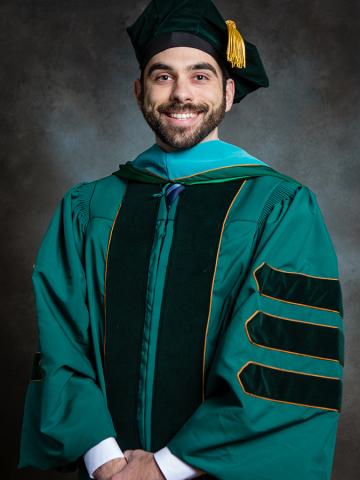
Brian Fischer, PT, DPT '19, SCS, LMT, CSCS, has always viewed physical therapy as a combination of science, compassion, and education. As an adjunct faculty member, he emphasizes the importance of clear communication and leadership in a physical therapist's role.
"Being an adjunct allows me to influence the next generation of therapists," Fischer said. "The ability to guide students and provide them with the skills they need to succeed, both in their careers and in life, is incredibly rewarding."
Mentoring in the musculoskeletal lab intensives, Fischer's work in the Baylor DPT program centers around helping students navigate the challenges they will face in real-world practice. He also draws on his extensive experience, including completing a sports residency at Results Physical Therapy and Training Center in Sacramento, California, becoming a board-certified sports physical therapist, and building a practice in Reno, Nevada, that is focused on the first responder and tactical community—a first of its kind in the city.
"What I enjoy most is passing down the knowledge I've gained through years of practice," Fischer said. "I hope to inspire students to not only be competent clinicians but also compassionate leaders who can advocate for patients and the profession."
Fischer's work extends beyond the classroom, covering athletics on the sidelines and mentoring students intrigued by his entrepreneurial journey. His dedication to lifelong learning and leadership continues to shape the future of physical therapy.
INNOVATION IN SPORTS THERAPY
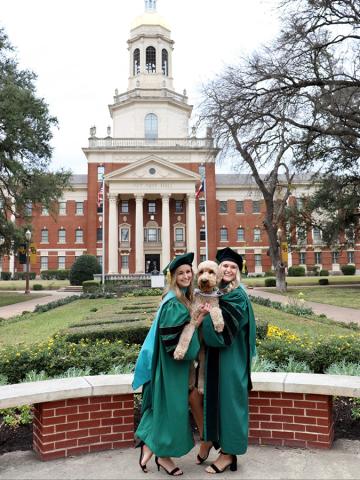
Taylor Olson, DPT '21, earned both her undergraduate and graduate degrees at Baylor. She takes an innovative approach to teaching, sharing her knowledge in musculoskeletal and sports physical therapy. Her role as an adjunct instructor allows her to bring professional techniques into the classroom, helping students stay current with the latest advances in the field.
"The DPT program at Baylor encouraged me to think critically and approach every challenge with an open mind," Olson said. "Now, I have the privilege of returning as an adjunct and showing students how to apply that same mindset when working with athletes or individuals with injuries."
Olson's teaching focuses on fostering critical thinking and hands-on learning. In her human anatomy course, she often draws from her own experiences to guide students through complex concepts, using practical sessions and real-world examples to help them connect theory with practice.
"Baylor prepared us so well—to have the foundations of being a really talented physical therapist—you walk out of the program with such great foundational skills, not only to care for people well, but also to continue and refine those skills."
TEACHING COMPASSION IN CLINICAL PRACTICE
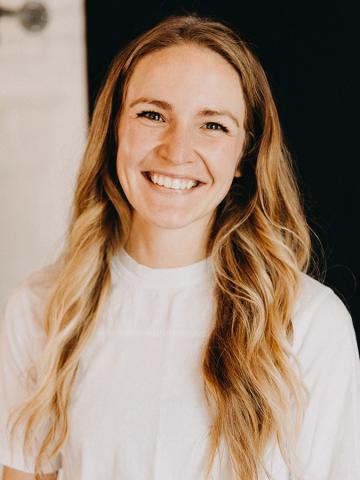
Reagan Rupard, DPT '20, emphasizes the importance of compassion and emotional intelligence in the field of physical therapy. As an adjunct professor, she teaches students that emotional intelligence is just as vital as professional expertise when providing patient care.
"Physical therapists are teachers," Rupard said. "I'm passionate about guiding students through their development and helping them understand that emotional intelligence is just as important as physical expertise. I want them to approach patient care with compassion and an understanding of the psychological challenges patients may face during recovery."
In her role, Rupard not only teaches human anatomy but also focuses on instilling the value of holistic patient care—addressing both physical and emotional needs. Her approach ensures students are prepared to navigate the complexities of treating the body, while also supporting the mental and emotional well-being of their patients.
COMMITMENT TO FUTURE PHYSICAL THERAPISTS
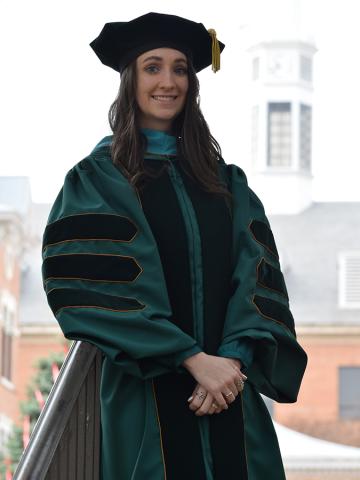
Ashlea Findley Stillwell, PT, DPT '19, NCS, is another Baylor DPT alumna who has always valued the importance of giving back to the educational community that supported her.
Reflecting on her unique experience as part of the program's first cohort, Stillwell credits Baylor's faculty and collaborative culture for shaping her into a skilled clinician. However, it's the impact that the program had on her professional growth that inspired her to return as adjunct faculty.
After completing her residency at UT Southwestern Medical Center and achieving her dream to be board-certified in neurologic physical therapy, Stillwell felt a deep desire to contribute to the program that originally helped her succeed.
She's passionate about being a mentor the next generation of physical therapists, emphasizing how vital it is to not only develop technical skills but also cultivate meaningful patient relationships.
"I wanted to give back because Baylor shaped who I am today," Stillwell said. "It's important for me to provide current students with the same guidance and opportunities I had to become the best therapist I could be."
Her commitment to returning to Baylor Physical Therapy as a faculty member and working in the neuromuscular system laboratory, speaks to her dedication to ensure future cohorts experience the same supportive, collaborative environment that she once found so valuable.
GIVING BACK
Brian Fischer, Taylor Olson, Reagan Rupard, and Ashlea Findley Stillwell exemplify a lasting impact Baylor DPT alumni can offer to the program. By returning as adjunct faculty, they not only share their clinical expertise but also provide students with real-world insights and mentorship to bridge the gap between classroom learning and practical application. Their dedication to teaching, leadership, and compassionate patient care continues to strengthen the program—and most importantly, enrich the next generation of physical therapists. Through their contributions, these alumni ensure that Baylor Physical Therapy remains a leader in producing highly skilled, thoughtful, and well-rounded clinicians who will go on to make a difference in their local communities.
"Our alumni who return as adjunct faculty have experienced two to four years of clinical practice, oftentimes having already completed residency education and specialty certification, and they are highly motivated to engage in teaching," Young said. "We couldn't be more proud of all our alumni who return as adjunct faculty within our program!"
Adjunct Faculty are essential for curricular delivery in the Baylor DPT program. We invite our qualified alumni to apply for these positions and bring their experience back to the classroom. You can learn more about Adjunct Faculty opportunities here.